






The PCDIA stands out for its practical and interdisciplinary approach, combining solid theoretical foundations with case studies and applied projects. With Python as a central tool, the course empowers students to develop solutions for complex challenges, such as analyzing large volumes of data, forecasting scenarios, automating processes, and driving digital transformation.
Furthermore, the course is concentrated on Fridays and Saturdays, in order to allow the participation of professionals who seek to reconcile their participation in the master's program with their professional practice.
| Sun | SEC | Tue | Qua | About | Fri | Sat |
|---|---|---|---|---|---|---|
| 1 | 2 | 3 | 4 | 5 | 6 | |
| 7 | 8 | 9 | 10 | 11 | 12 | 13 |
| 14 | 15 | 16 | 17 | 18 | 19 | 20 |
| 21 | 22 | 23 | 24 | 25 | 26 | 27 |
| 28 |
| Sun | SEC | Tue | Qua | About | Fri | Sat |
|---|---|---|---|---|---|---|
| 1 | 2 | 3 | 4 | 5 | 6 | |
| 7 | 8 | 9 | 10 | 11 | 12 | 13 |
| 14 | 15 | 16 | 17 | 18 | 19 | 20 |
| 21 | 22 | 23 | 24 | 25 | 26 | 27 |
| 28 | 29 | 30 | 31 |
Classes for the Professional Doctorate in Public Administration: Data Science and AI are held every two weeks, always on Fridays (afternoon and evening) and Saturdays (morning and afternoon).
Check out our calendar template (note: the dates are for illustrative purposes only).
PCDIA boasts a highly qualified faculty, composed exclusively of PhD professors who combine academic excellence with extensive practical experience in data science, artificial intelligence, and public administration.
The program emphasizes the practical application of knowledge, providing real-world examples and case studies that connect theory to the demands of the public sector. This unique approach ensures that students acquire a comprehensive education, applicable to their daily professional lives and capable of generating a significant impact on their organizations.
This area offers integrated training in data science, statistics, and machine learning, focusing on problem analysis and decision-making in the public sector. Students develop skills to collect, process, explore, and interpret data, as well as build and evaluate statistical and predictive models using Python. Elective courses allow for in-depth use of neural networks and natural language processing, as well as the clear communication of evidence through data visualization and storytelling. By the end of the program, students will be prepared to transform public data into diagnoses, predictions, and relevant information for management and public policy formulation.
This area develops skills to design, implement, and evaluate solutions based on generative artificial intelligence and intelligent agents. Students will learn how language models can be integrated with data, documents, systems, and tools to automate tasks, retrieve information, and support decisions. The training progresses from the fundamentals of AI agents to the construction of more complex architectures, including multi-agent systems and specialized applications. The disciplines also address reliability, security, human oversight, and performance evaluation, preparing the student to develop useful and responsible AI solutions for public organizations and different institutional contexts.
This area examines how data and artificial intelligence systems can be used, evaluated, and controlled within the state. Students will develop skills to analyze public policies, support evidence-based decisions, and understand the institutional impacts of digital transformation. The training covers AI governance and regulation, procurement of technological solutions, auditing, cybersecurity, and risk management. By the end of the track, the student will be prepared to plan, evaluate, and supervise artificial intelligence and digital transformation initiatives, considering their effectiveness, security, transparency, compliance, and alignment with the public interest.


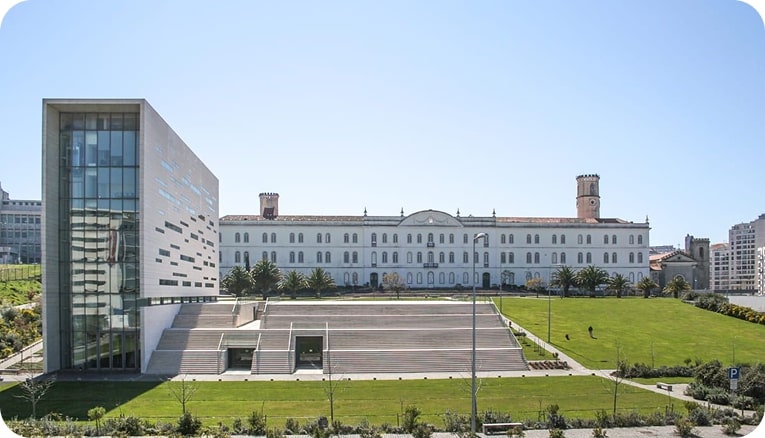
University of Coimbra - Portugal

University of Lisbon - ISCSP - Portugal
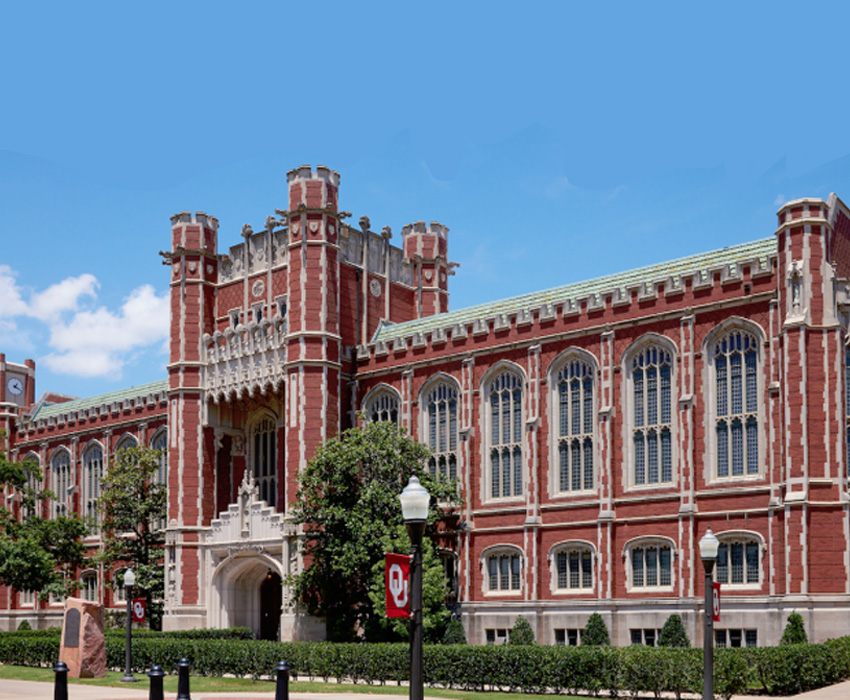
University of Oklahoma - United States
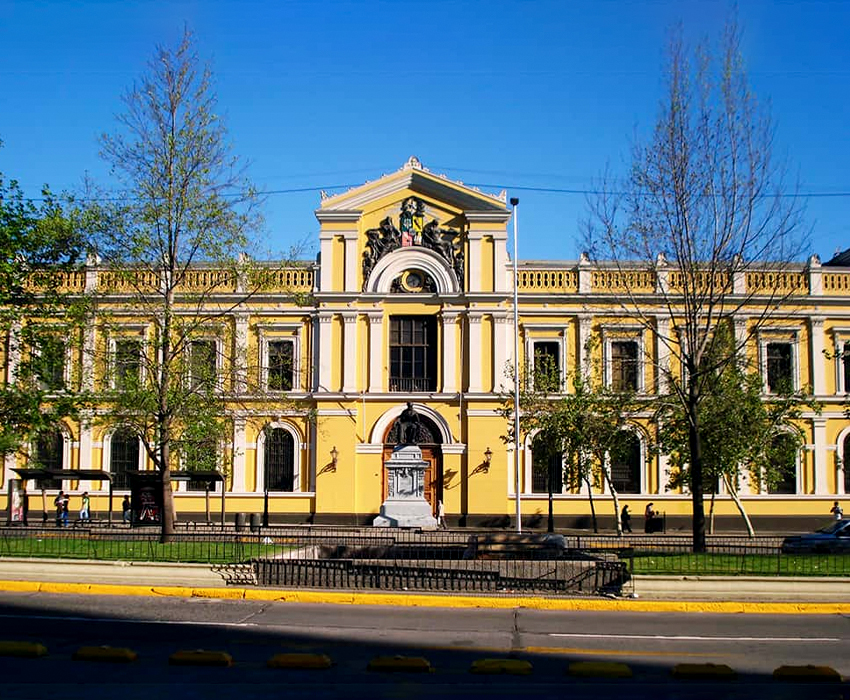
University of Chile - IEI - Chile
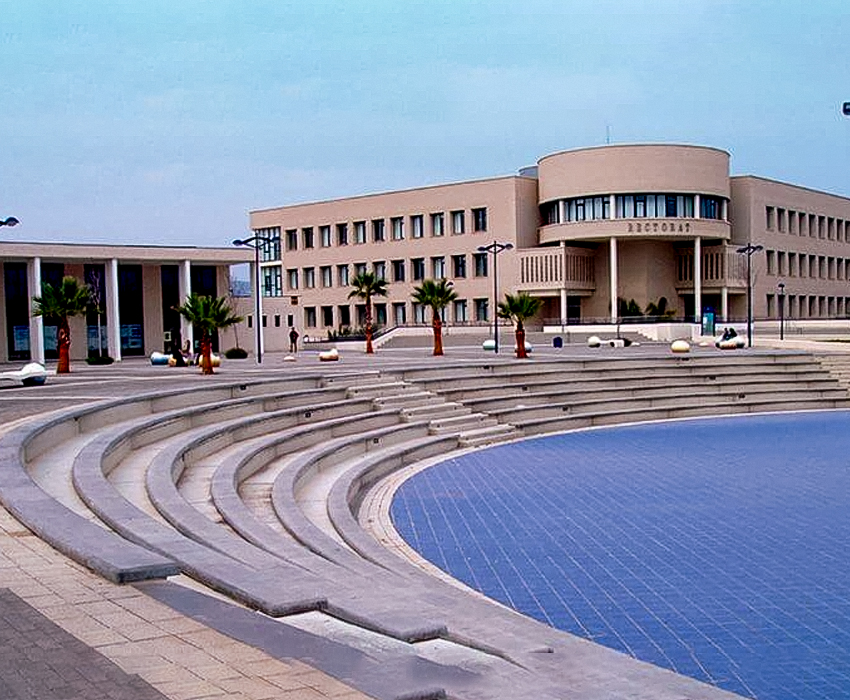
Jaume I University - Spain
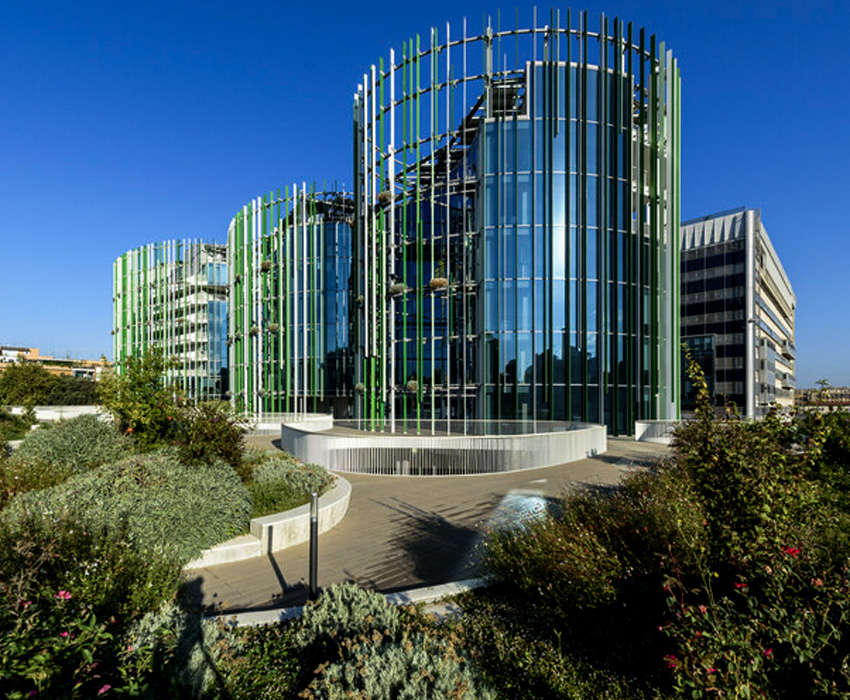
Roma Tre University - Italy

| Criterion | doctorate IDP |
OTHERS INSTITUTIONS |
|---|---|---|
Concentrated FormatClasses are held on Fridays, afternoons and evenings, and on Saturdays, mornings and afternoons, allowing you to combine your Master's degree with your career. |
|
|
Methodology based on Case StudiesA unique teaching approach, focused on applying knowledge to the real world. |
|
|
Faculty with Professional ProfileProfessors who, in addition to a solid academic background, are professional leaders in their field. |
|
|
Student Success TeamA team dedicated to assisting students with their academic activities (writing articles, submitting them, participating in conferences, etc.). |
|
|
Incredible connectionsWe facilitate collaboration and interaction between students and teachers in classes and within the IDP community for quality networking. |
|
|