
Lockdowns and economic growth: A brief analysis

The outbreak of the pandemic resulted in an economic and financial crisis not seen since the Great Depression (1929-1929), which sparked diverse political discussions about the social utility of lockdown measures. The most recent data from the International Monetary Fund (IMF) and the Organisation for Economic Co-operation and Development (OECD) show that countries that […]
How far does your dream take you?

Text written by Júlia Feitosa, Advertising and Public Relations student. We all have a dream. Many want to buy a car, renovate their house, have a dog; there are many possibilities. But what if that dream is to live abroad and have to start life from scratch? Put that way, it seems like quite an experience…
Wine and Wine Tourism, Entrepreneurship BSB #20.

“Entrepreneurship is a lifestyle. You wake up and always have to accomplish something; there's no comfort zone for an entrepreneur; nothing is ever finished, it's always something to be done,” Rodrigo Sucena. In episode #20 of the Empreenda BSB Podcast, Caroline Lopes talks with two entrepreneurs who are part of the creation […]
Do gender imbalances have lasting effects?

For a long time, Australia's population consisted of far more men than women, either due to convicts from the British Empire or the influx of immigrants seeking opportunities. Initially, the disparity in the number of men impacted social decisions, resulting in a higher marriage rate and lower participation in the labor market for women. Eventually, the imbalance was reversed; however, in regions where the disproportion was more pronounced, long-term effects were observed, such as a lower supply of jobs and a more conservative view of the role played by women.
Is the Ecological ICMS good for Brazil?
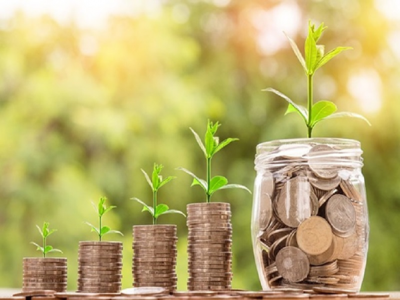
The Ecological ICMS (a Brazilian tax incentive program) has existed in Brazil since 1991, when Paraná implemented this legislation for ecological tax transfers to benefit municipalities obligated to maintain environmental preservation areas. Since then, several Brazilian states have instituted similar public policies to reward localities that improve their socio-environmental practices. But do these actions generate the expected results? To answer this question, researchers from Germany and Rio de Janeiro analyzed national data from 1991 to 2009 and found that the existence of the Ecological ICMS effectively improves the proportion of preserved areas in Brazilian municipalities.